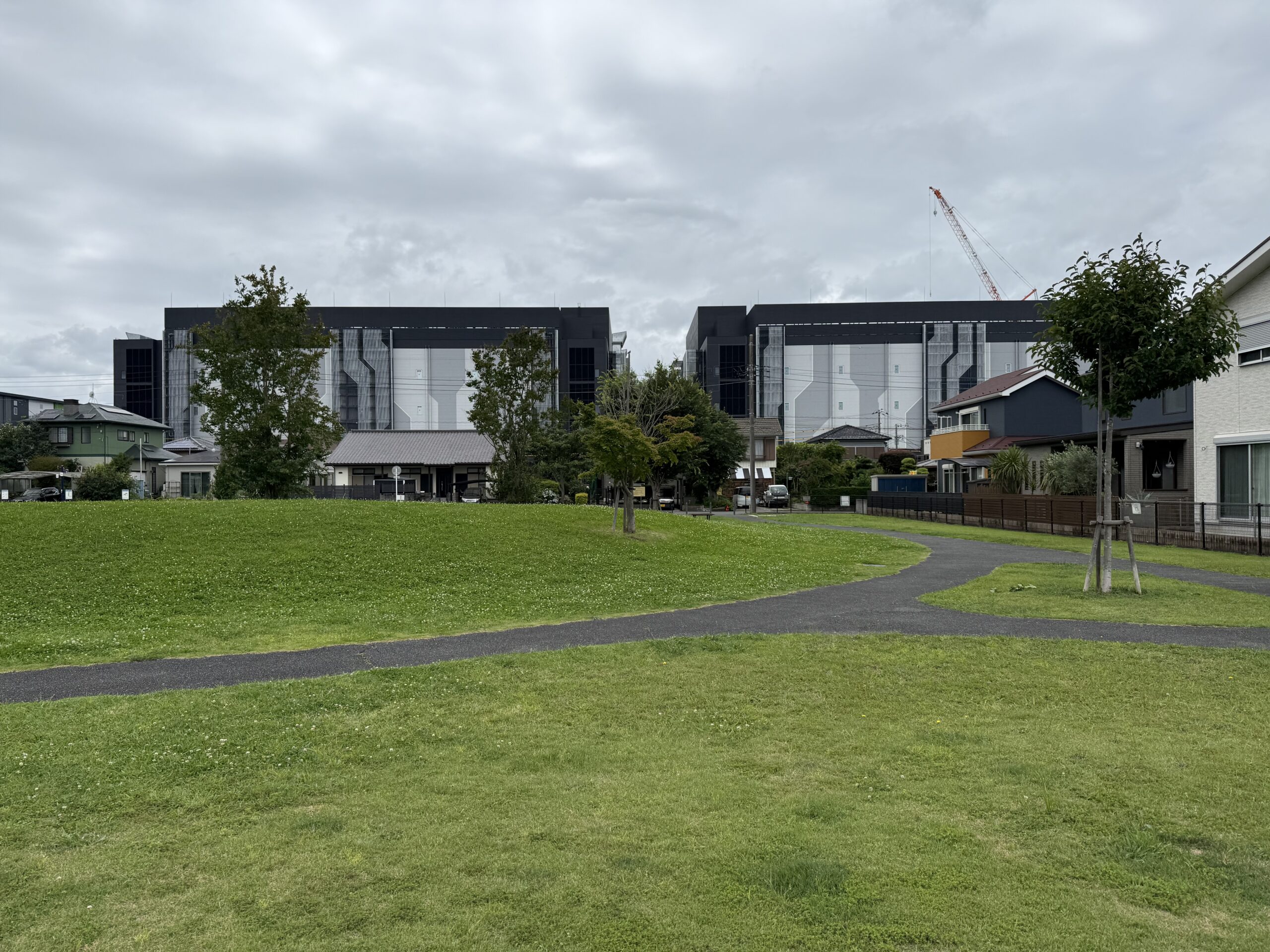
Earlier this month, I left Tokyo after living there for more than a quarter of a century and moved to an apartment in Inzai City, Chiba Prefecture, about 30 miles east of central Tokyo. It is the first time I have moved since relocating to my condominium in Oji, Tokyo, back in 2012. Fourteen years is a long time to stay in one place, so packing up my life and starting over felt like a major milestone.
(more…)Category: Business and the Economy
-
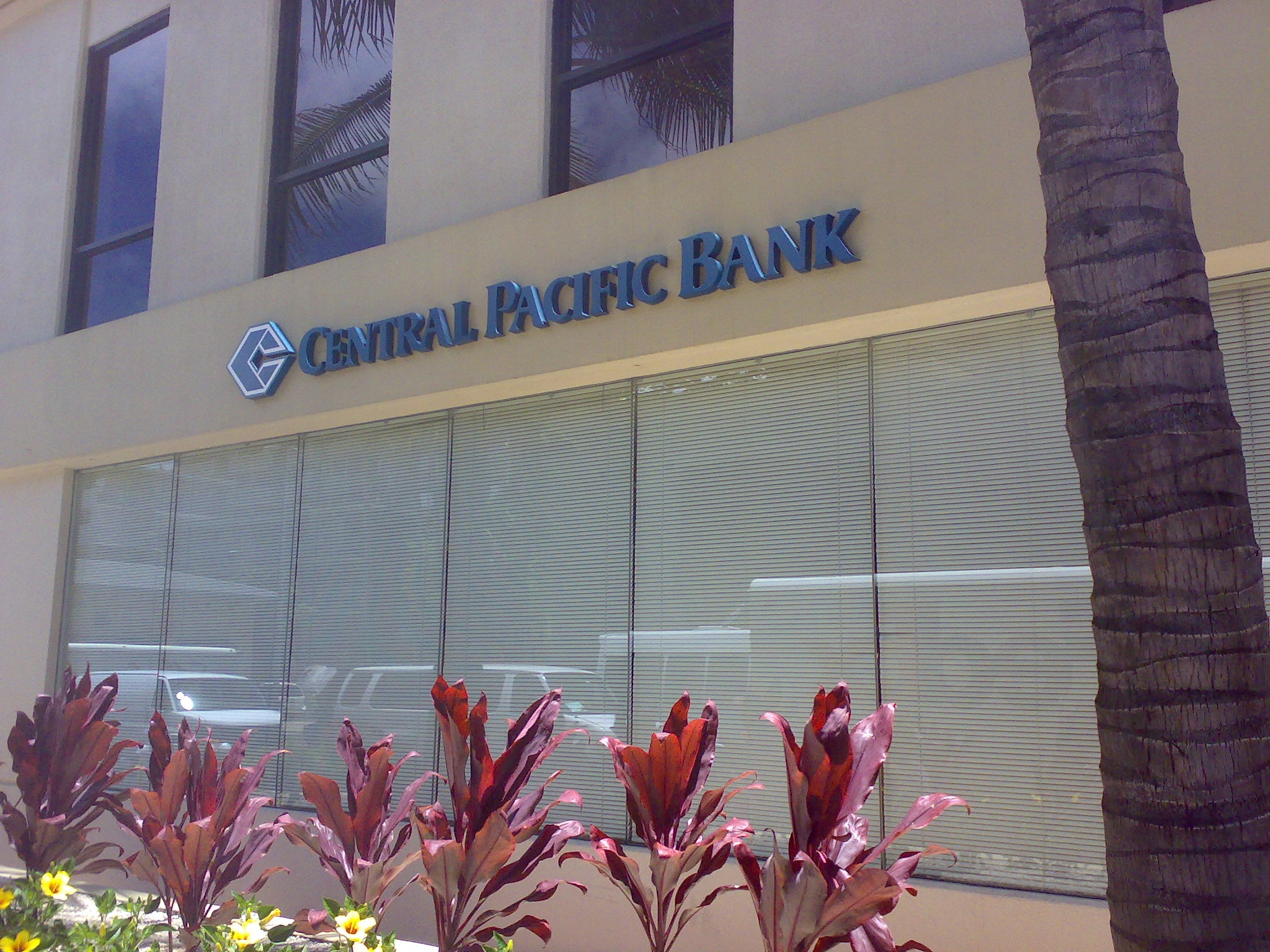
Central Pacific Bank’s Aggravation
In the mailbox beneath my apartment, I found a letter from Central Pacific Bank, a Hawaiian bank I’ve had my account with for almost 15 years, stating that it had changed its policy for customers with Non-Resident Alien (NRA) status. According to the new policy, effective April 1 this year, the bank will deduct $20 from the monthly service charge on NRA customers’ accounts if they don’t keep at least $10,000 in total in their accounts.
(more…) -
Revolution With Revolut
I live in Japan. I have bank accounts in Japan to get a monthly income and make regular payments. Besides, I have bank accounts in the United States and Hong Kong, keeping some of my money in different banks and currencies to minimize risk. I manage my assets in these countries because there are more investment options than in Japan.
A consideration is how to transfer the money you get in Japan to a foreign bank account. Wire transfers at a bank in Japan are expensive. I tried some online international money transfer services. All of these services require at least 2,000 JPY per transaction, so sending tens of thousands of JPY with them is costly.
Having two PayPal accounts can resolve this problem. I got two PayPal accounts with my different email addresses and linked one of the PayPal accounts to a debit card of the bank account in Japan, and the other to the bank account in the US. When money was credited to the Japan bank account, I logged in to the PayPal account linked to the debit card and sent money with the debit card to the PayPal account linked to the US bank account. Then I logged out and logged in to the other PayPal account, and I withdrew money credited to the account to the US bank account linked to the PayPal account. The fee is cheaper as long as you send a small amount of money. Unfortunately, you cannot send money from Japan to Hong Kong because if you live in Japan, your PayPal account doesn’t allow you to link bank accounts in Hong Kong.
(more…) -

Changes of the World From COVID-19
COVID-19 is dreadfully spreading throughout the world, hospitalizing more than 3,100,000 people and taking the lives of more than 200,000 patients as of April 29, according to Johns Hopkins University. It is no exception here in Tokyo.
The virus is forcing all people in the world to change their lifestyles. Many have been grounded for months. Essential workers, such as doctors, healthcare workers, firefighters, law enforcement officers, supermarket clerks, garbage collectors, delivery service personnel, and staff involved in public transportation, work outside facing the fear of infection.
(more…) -
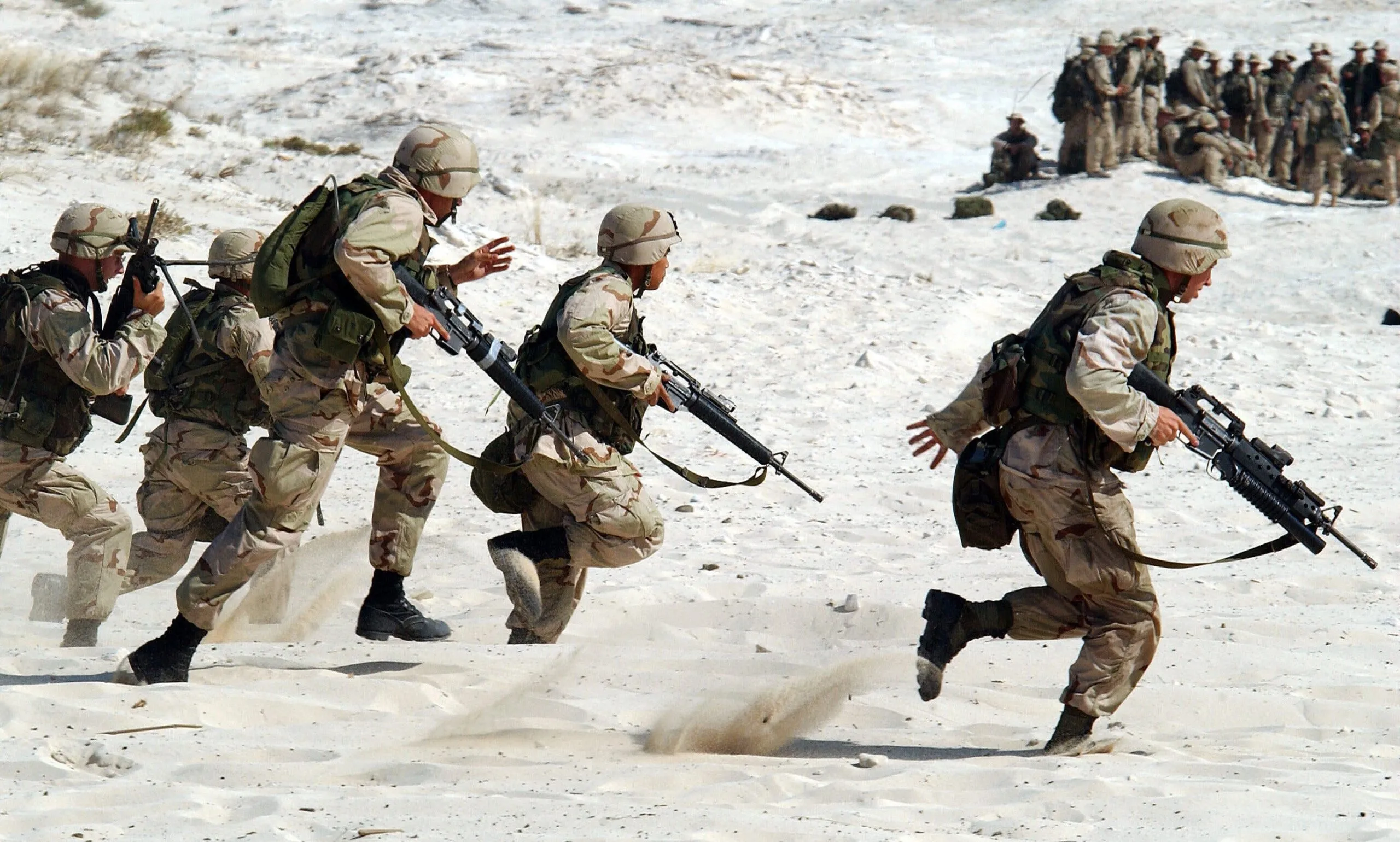
Prelude to WWIII
The second year of the Reiwa period began with a nightmare. More precisely, at the beginning of the year, nobody could predict what would be going on just two months later. I am talking about what the entire world is fighting against—COVID-19.
(more…) -
Going Driverless
I used to watch Knight Rider on TV when I was a junior high school student. Knight Rider is an American TV series where a hero, Michael Knight, together with a talking self-driven car, KITT, beats the evil and sometimes has romantic experiences with a heroine of each episode. I thought that such a car was just a pipe dream at that time, but the dream will probably come true in a decade or two.
The development of autonomous cars, or driverless cars, is widespread. Google started testing of the developing autonomous cars on public roads as Nevada state law allowed to do it and issued license plates to them in 2011. Following Google, Audi obtained the road testing license as well from the state government of Nevada in 2013. In the same year, the United Kingdom also permitted road testing of automated cars. In China, Baidu is also planning similar testing.
(more…)