COVID-19 is dreadfully spreading throughout the world, hospitalizing more than 3,100,000 people and taking the lives of more than 200,000 patients as of April 29, according to Johns Hopkins University. It is no exception here in Tokyo.
The virus is forcing all people in the world to change their lifestyles. Many have been grounded for months. Essential workers, such as doctors, healthcare workers, firefighters, law enforcement officers, supermarket clerks, garbage collectors, delivery service personnel, and staff involved in public transportation, work outside facing the fear of infection.
I’ve been staying at my house in Tokyo for almost two months. Although the confirmed cases and the death toll in Japan are lower than those in the United States, there are hundreds of cases that have tested positive and dozens of casualties every day. People are requested to refrain from non-essential journeys and maintain proper social distancing, as in the US and other countries, to avoid causing an overshoot of patients. These days I work from home, watch TV, surf the internet, read e-books, have meals delivered to the door, eat them, and sleep in bed.
Nobody knows when this inconvenience ends. Some say it will take 18 months for everything to return to normal. Others say that it will never return to what it was before the outbreak. Since public health specialists say that the situation in Tokyo is three weeks behind that in New York City, the Metropolitan Government will probably lift the de facto lockdown no sooner than three weeks after NYC. As of today, no countries have reopened their businesses yet.
I’m at home all day long, unless I buy food at the grocery store or do laundry at the laundromat. I have much more time to think about what the world will become in the forthcoming years. Here’s what I think the world will change:
Lifestyle
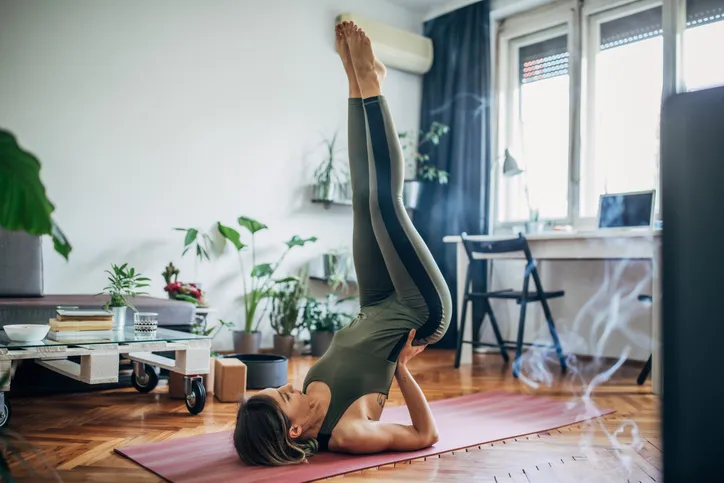
Now that people find that they can do most things at home, they will keep on staying home even after the restrictions are lifted. Even those who had thought they could never work from home noticed that online teleworking unexpectedly worked. In cyberspace, people will shop, dine, exercise, watch movies, and even have drinks with friends. Most payments will be made by credit card or other cashless means, so they’ll seldom go to the bank or the hole-in-the-wall to get some cash.
Business
Company runners will need to cope with people who change their lifestyles. The tourism business will finish its role in its time. Enterprises that rely on inbound business from foreigners will disappear shortly. Dine-in restaurants will be replaced by takeout or delivery. Medical examinations, consultations, prescription issuance, and drug deliveries will be conducted online. Gym instructors will give training menus to trainees via YouTube channels instead of letting them come to the studio. Companies that maintain the infrastructure that supports their existence will be stable.
It is a good idea for people who lost their jobs because of the coronavirus outbreak to get involved in businesses that deal with tangible goods, including agriculture and manufacturing. Employers of such firms will be satisfied, without relying on so-called “technical intern trainees” invited from abroad. Primary and secondary industries will revive in the future.
School
Schoolkids who haven’t had access to school for a long time will need supplementary classes to make up for what they have lost during the shutdown. Unfortunately, it will be almost impossible to get back on track within a year because you never know when the shutdown will end. Let the term of study be extended; keep them in the same grade for a year or two until they have enough required classes to complete the course. It’s also a good idea to start the school year in September, as in other countries. If you do the same thing nationwide, the conditions will be the same for all students, none of whom will be left behind. Send the idle kids at home to face mask factories so they can help produce as many masks as possible.
Conclusion
The fight against coronavirus would probably be years of effort. To win and stay resilient, we need to be adaptable to upcoming changes. Some of what we customarily do so far would be devastated, and some would change drastically. We must change as well. Remember the quote of Leon C. Megginson, Professor of Management and Marketing at Louisiana State University at Baton Rouge, saying, “According to Darwin’s Origin of Species, it is not the most intellectual of the species that survives; it is not the strongest that survives; but the species that survives is the one that is able best to adapt and adjust to the changing environment in which it finds itself.”
Leave a Reply