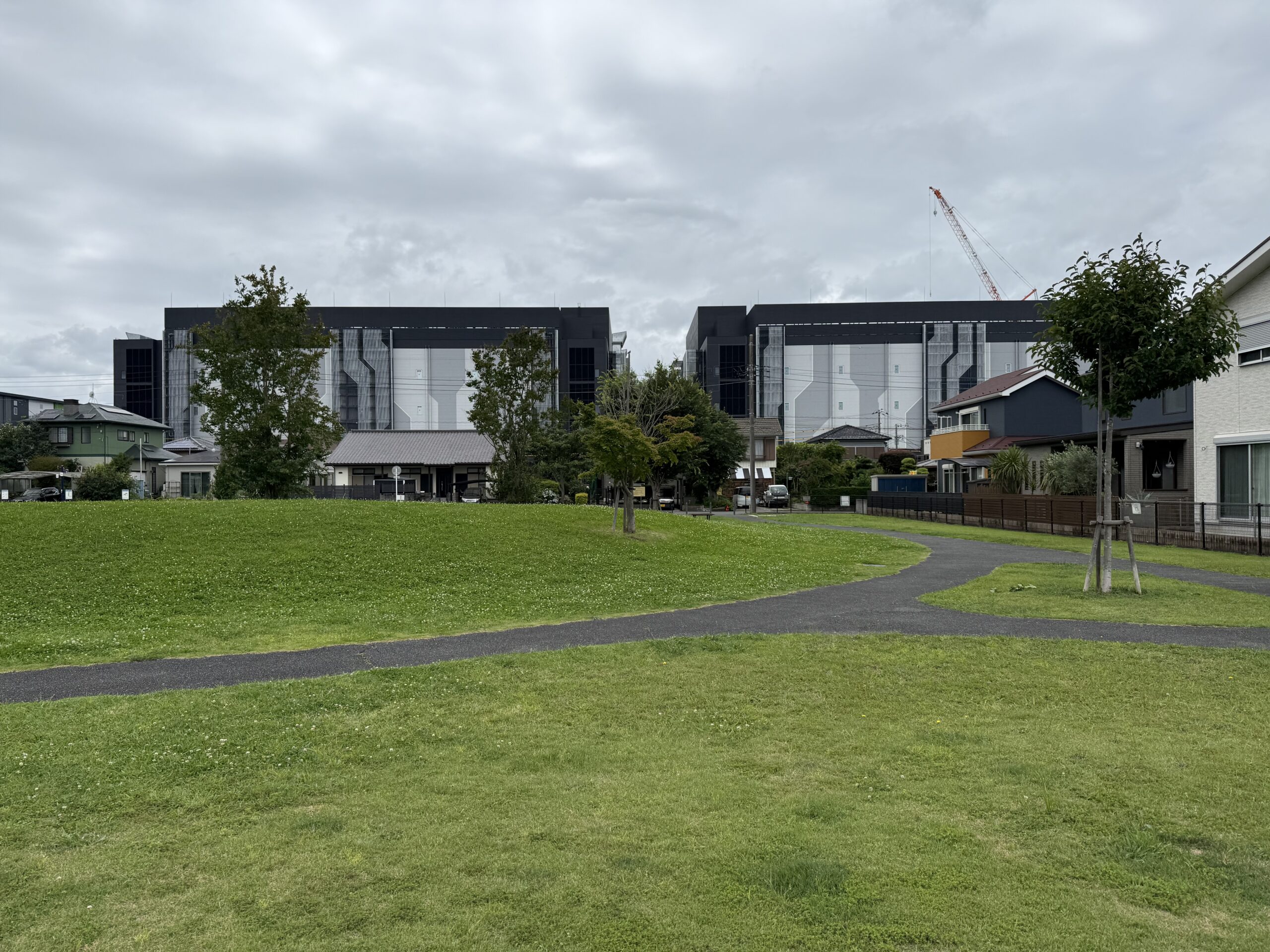
Earlier this month, I left Tokyo after living there for more than a quarter of a century and moved to an apartment in Inzai City, Chiba Prefecture, about 30 miles east of central Tokyo. It is the first time I have moved since relocating to my condominium in Oji, Tokyo, back in 2012. Fourteen years is a long time to stay in one place, so packing up my life and starting over felt like a major milestone.
(more…)-
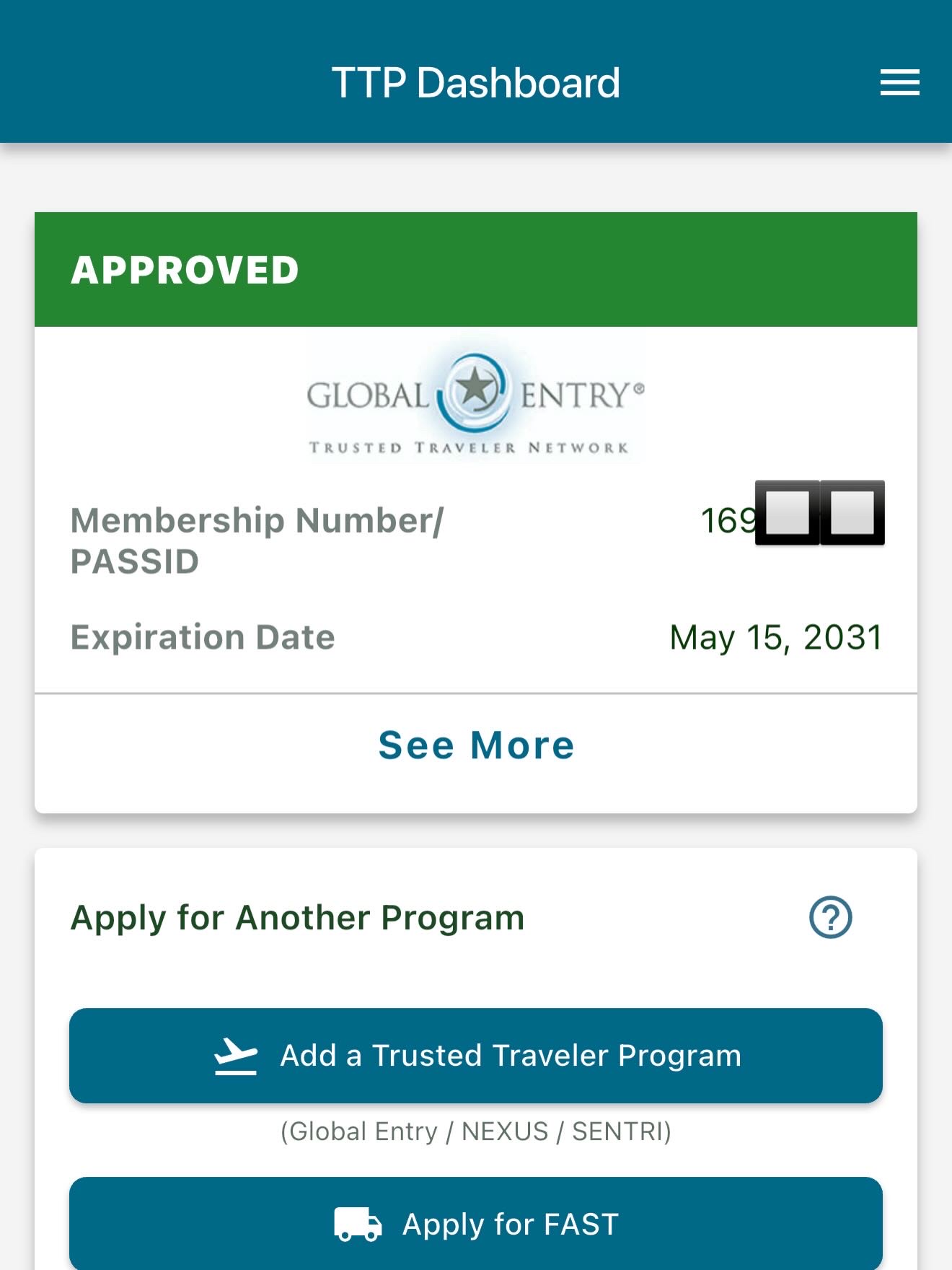
Global Entry Approved
While border control in the United States has become stricter year by year under the Trump Administration’s policies, the U.S. Department of Homeland Security, or DHS, is implementing Trusted Traveler Programs, or TTP, to alleviate long waiting lines at U.S. airport security checkpoints by granting eligibility for fast lanes to relatively low-risk travelers. Since most of these programs, such as TSA PreCheck, are open only to U.S. citizens, non-U.S. citizens like me receive no benefits from them. The Global Entry Program, however, allows even non-U.S. citizens to qualify for expedited processing equivalent to TSA PreCheck, provided they are nationals of DHS-approved countries. Earlier this year, I saw a post on Facebook announcing that Japan had been added to the list of eligible countries. That prompted me to apply for the program. Being approved for Global Entry not only makes my travel within the United States more convenient; it also means receiving an official endorsement from the U.S. government that I am a trustworthy individual.
(more…) -
Rent Increase Notice
The management company for the apartment I’m renting sent a letter stating that the two-year rental contract between the company and me would be terminated this July and that, at the next renewal, the monthly rent would be raised by almost 20,000 Yen. I won’t be able to afford to keep living with the new rent!
(more…) -
Blog updated
I’ve recently given my personal blog a fresh start. After some time thinking about how I wanted to organize my writing, I decided to redesign the site and relaunch it under a new URL. It’s not a complete break from the past, but more like opening a new chapter —one that reflects how my interests and habits have evolved over time.
As before, the content itself won’t be limited to a single theme. I plan to continue writing about whatever comes to mind: things that happen in my daily life, ideas I’ve been thinking about, and small observations that leave an impression on me. Sometimes the posts may be reflective, sometimes practical, and sometimes just simple notes about everyday experiences. In that sense, the spirit of the blog hasn’t changed at all. It will remain a place where I can write freely, without feeling tied to a specific topic or direction.
One major change, however, is how the content will be presented in terms of language. In my previous blog, I used to include both English and Japanese in the same post, placing English text first and letting Japanese text follow on the same page. While this approach worked to some extent, I gradually felt that it made each post longer and harder to read, especially for people who only wanted to read in one language.
In the new version of the blog, I’ve decided to separate the English and Japanese content into different pages. This should make each version cleaner and easier to follow, allowing readers to focus on the language they prefer without distraction. It also gives me a bit more flexibility in how I write, since I can adjust phrasing and structure more naturally in each language rather than trying to mirror them too closely.
That said, my previous blog isn’t going anywhere —at least not right away. It will remain available for viewing just as it has been. Over time, though, I plan to gradually move and reorganize selected content into the new blog. As this process continues, the new site will become the main home for my writing. Eventually, I may consider closing the old blog once everything important has been properly transferred and updated.
For now, this relaunch is a good balance between continuity and change. I’m keeping what I value from the old blog while making adjustments that should improve the reading experience in the future.
If you’ve been reading my posts for a while, thank you for sticking with me through this transition. And if you’re new here, welcome. Either way, I hope you find something interesting, useful, or at least a little thought-provoking in what I write.
-
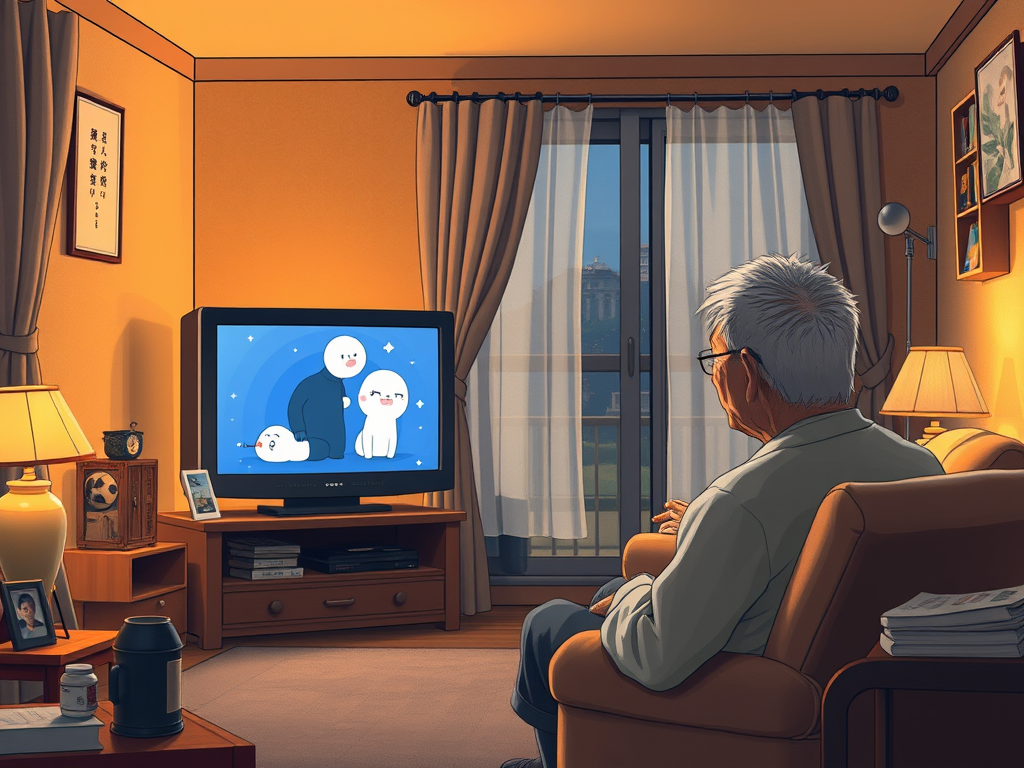
Year-end Diary: Two Keywords That Defined the Year 2025
Every year, as December approaches, I make it a personal habit to look back on the past twelve months. Rather than writing a long and detailed summary of everything that happened, I try to distill the year into just a few keywords—short phrases that capture what was new to me, what stayed with me, and what quietly reshaped my daily life. This small ritual helps me see the year not as a blur of events, but as a story with a few clear themes.
Once again, that time of reflection has come. After some thought, I have decided to announce this year’s keywords. There are only two of them this time: “Chot-chan” and “nursing home.” Compared with some past years, this may seem like a short list. Still, these two words carry more meaning for me than their simplicity suggests.
(more…) -

30 Years On
Thirty years ago today, an event that can’t be forgotten and shouldn’t be forgotten occurred in Kobe and its vicinity. Ten years ago, I posted both English and Japanese entries of what I had experienced, witnessed, and thought at that time; you can read them below: