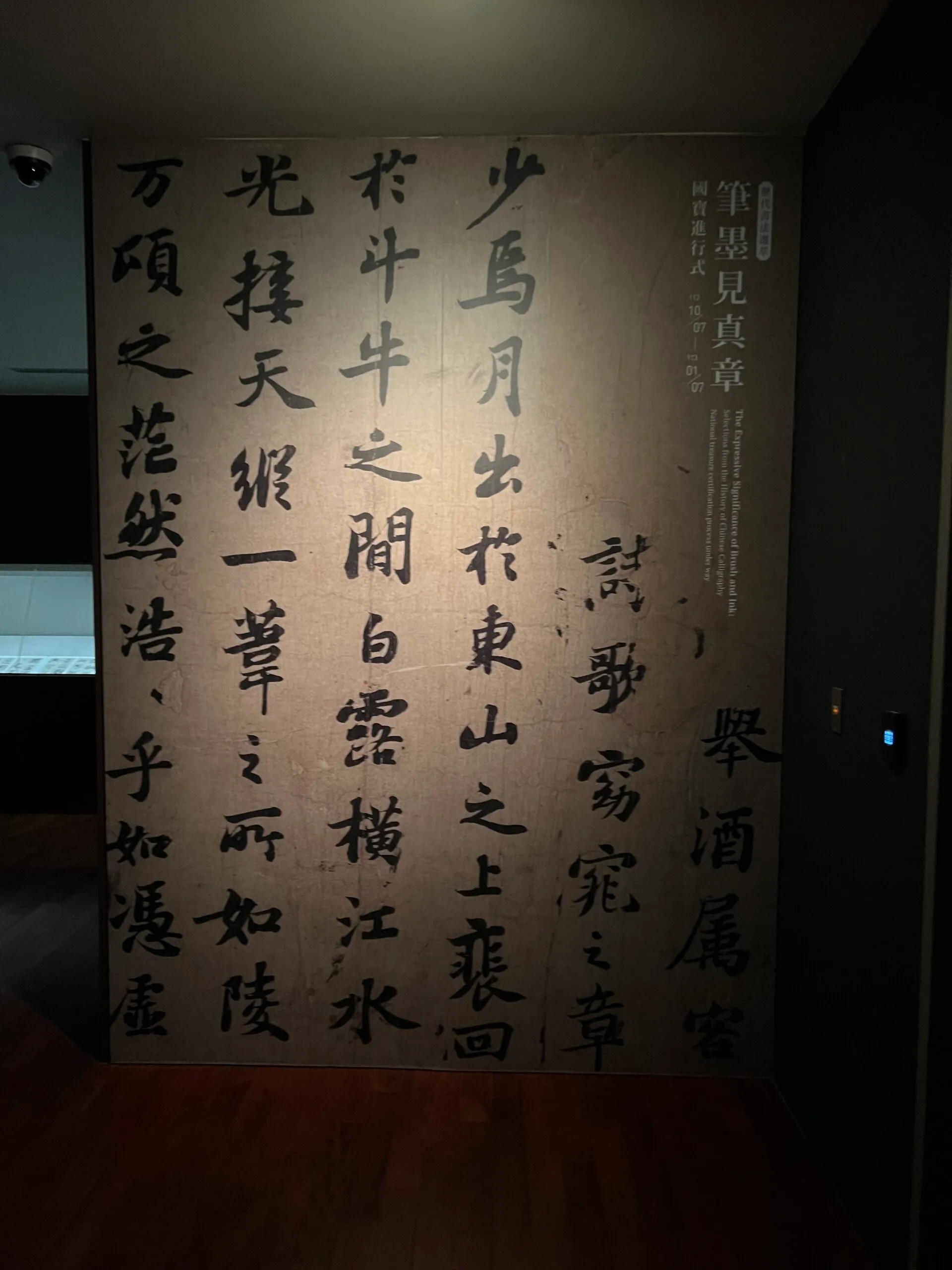
I visited Taipei last week. It was the first time I had gone abroad in four years, as the coronavirus pandemic, which began in 2020, had prevented people from crossing borders. Since the border opened this year, I wanted to travel somewhere overseas. I chose Taiwan for this trip because I wanted to see the entire National Palace Museum exhibition in Taipei. I also wanted to enjoy Taiwan before it was too late, given the possible unrest in Taiwan in the near future.

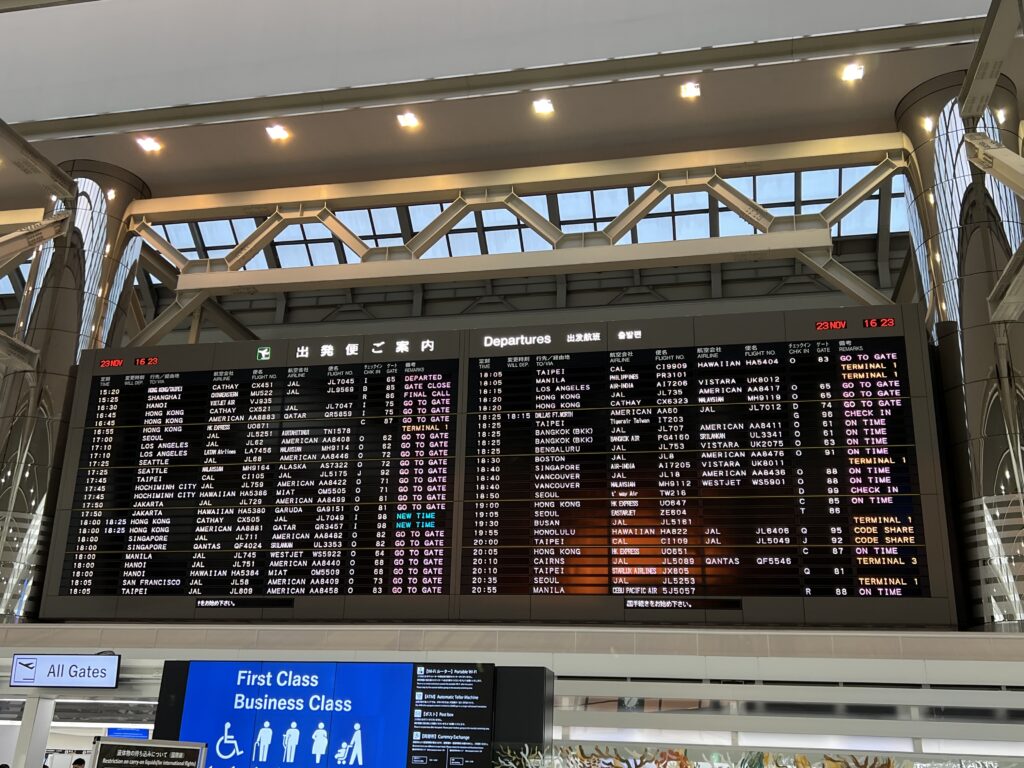
The passport control procedure at Narita Airport was more advanced than it was four years ago. There were automated gates instead of passport control booths. A small scanner was in front of each gate. The procedure was to place the page with the passport photo face down on the scanner, look at the camera in front of the gate, and wait for the gate to open. The gate doors opened shortly, letting me go beyond. No pages of my passport were stamped. If you wanted your passport stamped, you could stop by a conventional manned booth a little farther along to ask for one.
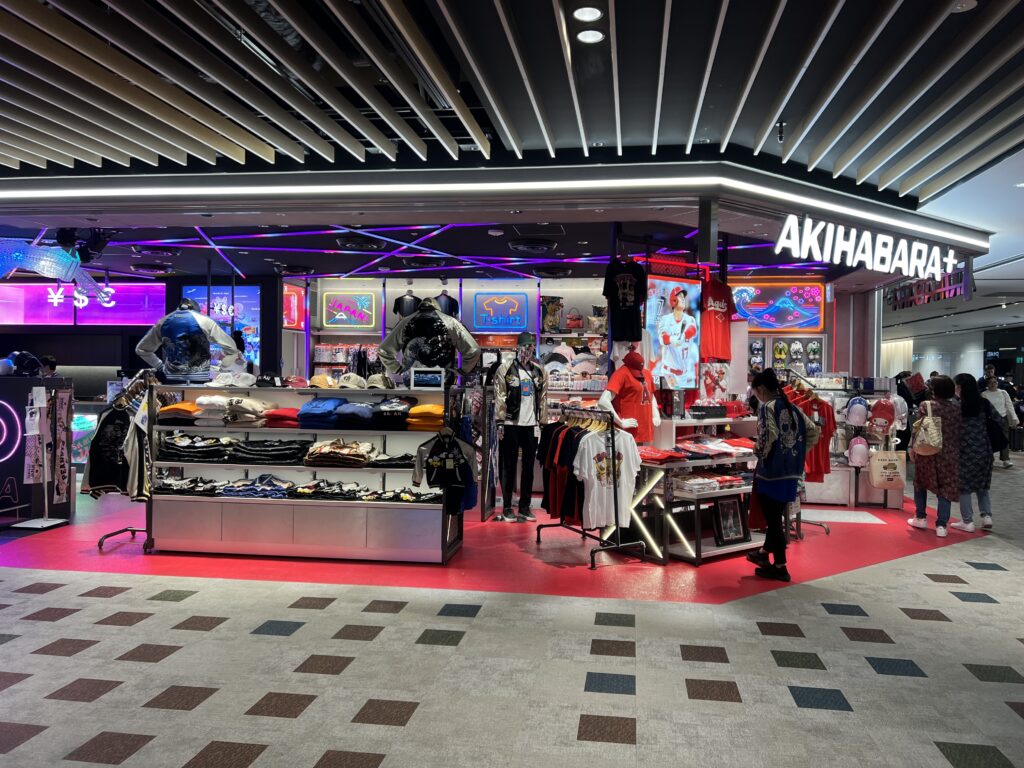
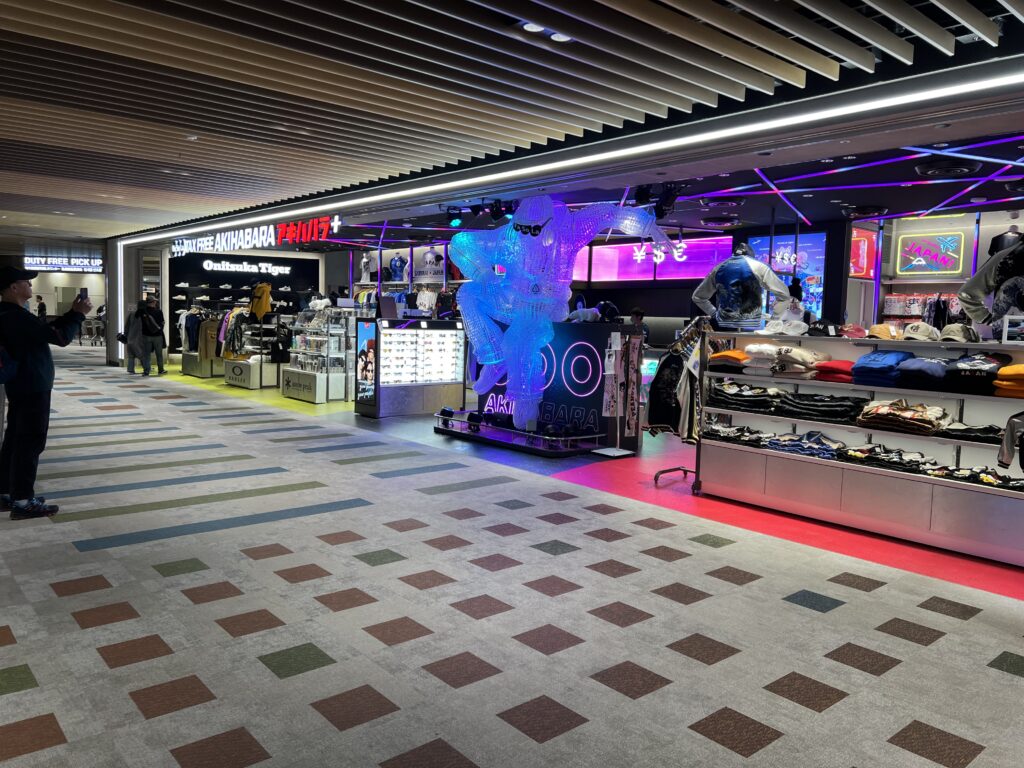
There were more shops and restaurants between the passport control and the boarding gates. The Tax Free Akihabara was more spacious than before. The food court offered a variety of Japanese dishes. A large souvenir shop sold light meals, travel toiletries, and Japanese art and craft products.
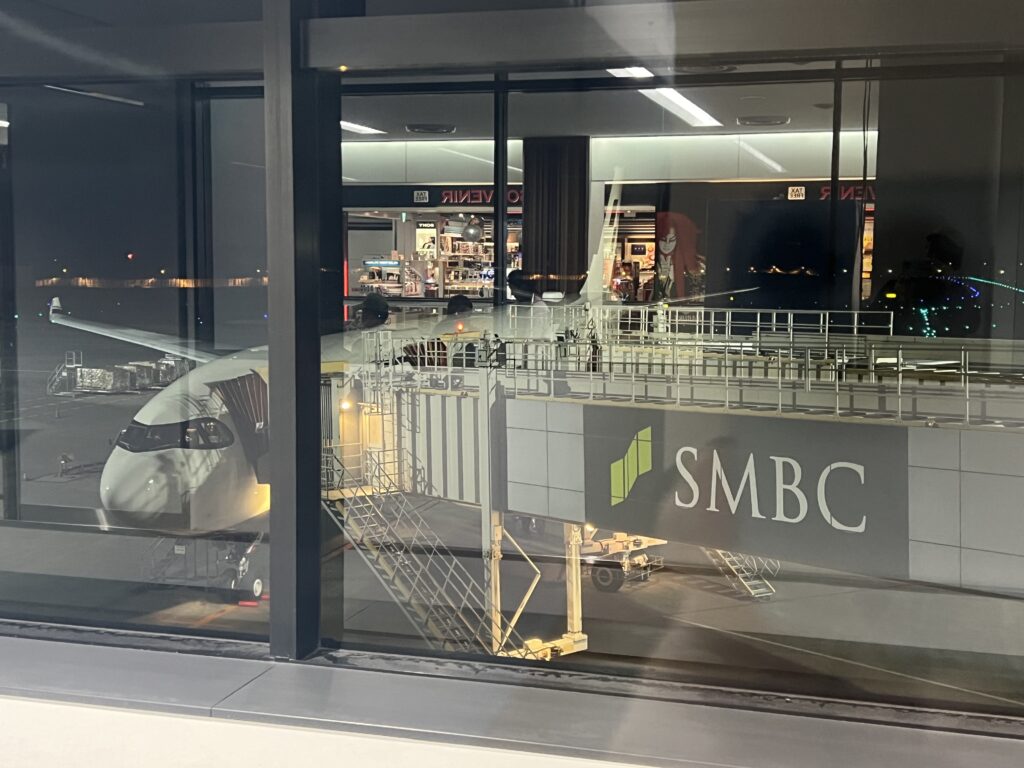
The airline I took this time was Starlux Airlines, an emerging Taiwanese airline founded several years ago. It wasn’t a low-cost carrier, and in-flight meals were complimentary.
Since the outbound flight arrived late in the evening and the return flight departed early in the morning, I decided to stay at a capsule hotel attached to the airport for both the outbound and return flights instead of staying in Taipei City. Changing lodging from night to night meant I had to carry my luggage at all times, so instead of using a carry-on bag, I packed all my personal effects in a 20-liter backpack, keeping it on my back at all times.

The airplane cabin was clean, with brand-new wide seats. Flight attendants were professional, and in-flight meals were splendid. Each seat back was equipped with a retractable tray table, a small rack for a cell phone, and a USB port. A touch-screen LCD on the back seat provided multilingual information and in-flight entertainment, including movies, in-flight meal information, and various flight maps. What I liked most was the cockpit mode, which displayed our plane’s current position on the map, heading, altitude, and ground speed in knots.

The airplane flew for four and a half hours and arrived at Taiwan Taoyuan International Airport at 11:30 pm, a little delayed from the scheduled arrival time. The immigration process in Taiwan didn’t change from what I’d had last time. I handed my passport to the immigration officer at a booth, who scanned my index fingers with the scanner in front of the booth, stamped my passport, and told me to go.
Arriving at Terminal 1, I had to take a train to Terminal 2 to get to the capsule hotel where I would stay the night.
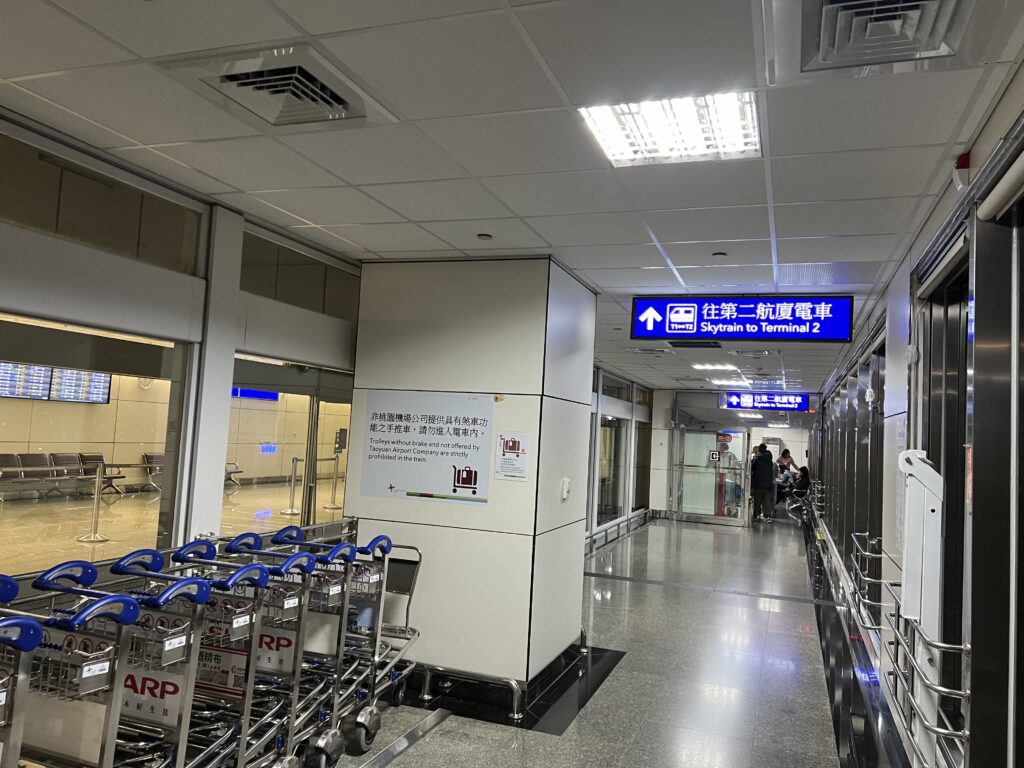
After finding an ATM at Terminal 2, I withdrew NT$5,000 with my US Bank ATM card and took the nearby escalator up to the fifth floor to go to the capsule hotel.

I found the entrance to the capsule hotel on the left. Upon entering, I saw the reception representative. He looked into my passport and asked me to pay NT$1,800 as the fee for that night in advance. I passed my AMEX card, but he said it wasn’t available. I paid NT$1,800 in cash because I had just withdrawn the money.
After payment, he took me to the shoe-changing area and told me to remove my shoes and put on the slippers in the locker with my room number printed on it. I had to have these slippers on while I was in the hotel. He guided me to the automated door, opened it with a card-shaped room key, and let us into the cell where a bed was installed, where I would sleep.

A cloth shade was the only shutter that separated each cell from the outside. The sounds of other people packing and unpacking, doors opening and closing, and even snoring could be heard, making it noisy and difficult to sleep. The bathroom was shared. A placard instructed to dispose of toilet paper in the wastebasket beside the toilet, not to flush it after use. There was a shared shower room, but no bath towels were provided (though the receptionist would’ve lent them to me if I’d asked in advance).
The following day, I checked out of the hotel and took the train to Taipei’s city center.

There are two kinds of trains: the Commuter train and the Express train. The Commuter train stops at every station on the way to Taipei Main Station, the terminal station. The Express train is faster because it stops at only major stations and skips others. The Commuter takes one hour from the airport to the Taipei Main Station, while the Express takes just 40 minutes.
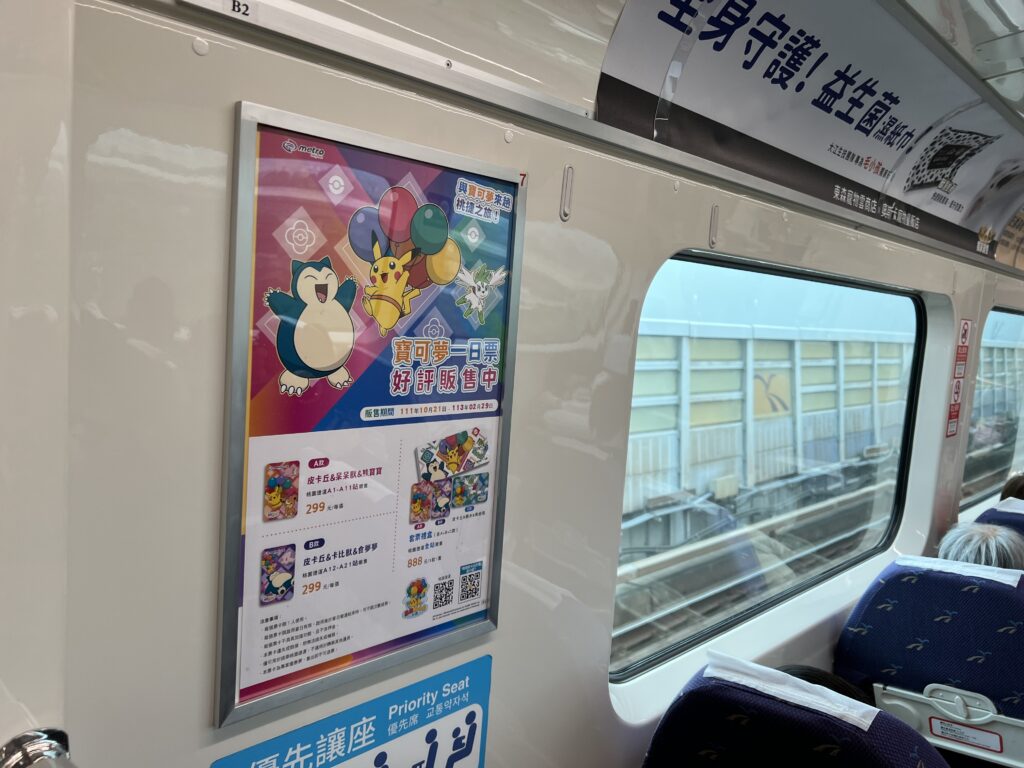
An endless walk at the Taipei Main Station to change trains, a Red Line MRT ride to Shilin Station, and a dozen-minute bus ride from the station took me to the National Palace Museum.
The National Palace Museum in Taipei is famous for exhibiting Chinese historical masterpieces collected by the Qing Imperial Household, such as chinaware, bronze potteries, arts, calligraphy, ceramics, lacquerware, and jade. The two must-see items are the Jadeite Cabbage and the Meat-shaped stone.
The museum ticket was valid for one day, so even if I left the building once, I could re-enter the same day. If I wanted to have a meal during my visit, I could use the restaurant in a separate building or eat at Sanxitang, a restaurant on the fourth floor of the same building as the exhibition halls.
I had lunch at Sanxitang because the food there was less expensive than the food served at the restaurant in a separate building. It cost nearly NT$1,000 for what I ate for lunch, though.
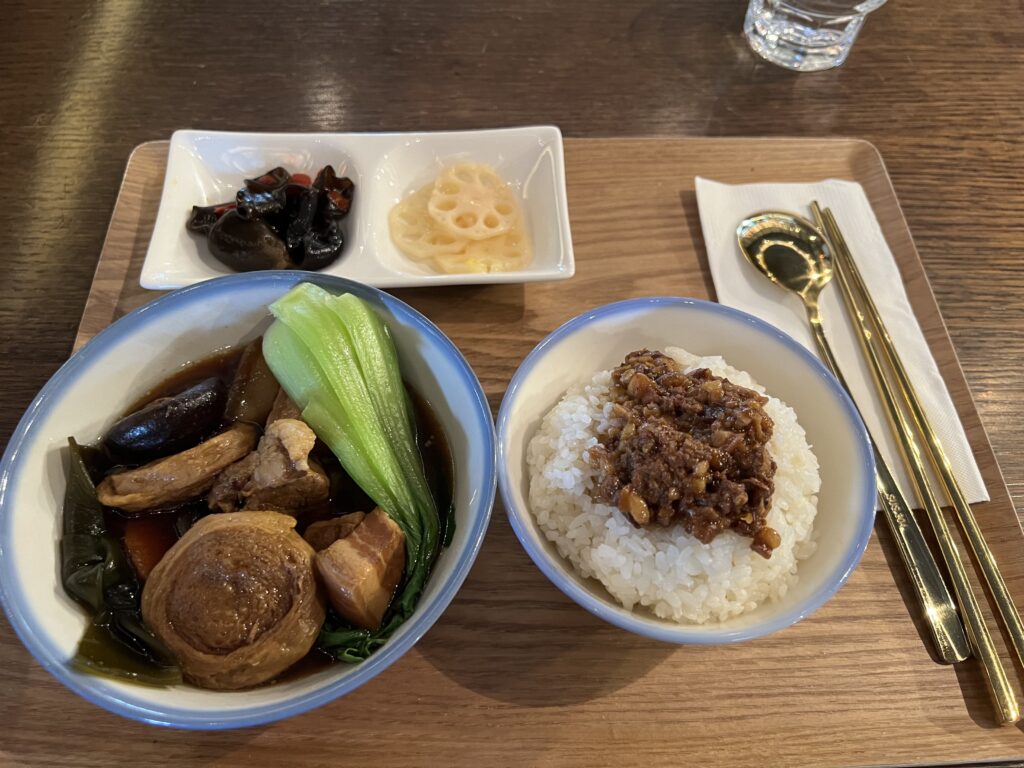
The appeal of Taiwan’s food was not limited to such fine cuisine. The food served at night market stalls was also delicious and cost less than NT$100 per dish.


This is a rice bowl topped with fried, chopped fish, squid fillets, and fish paste marinated in a starchy sauce. It was served at a Lin-Chiang Street Tourist Night Market stall in Xin-yi District.
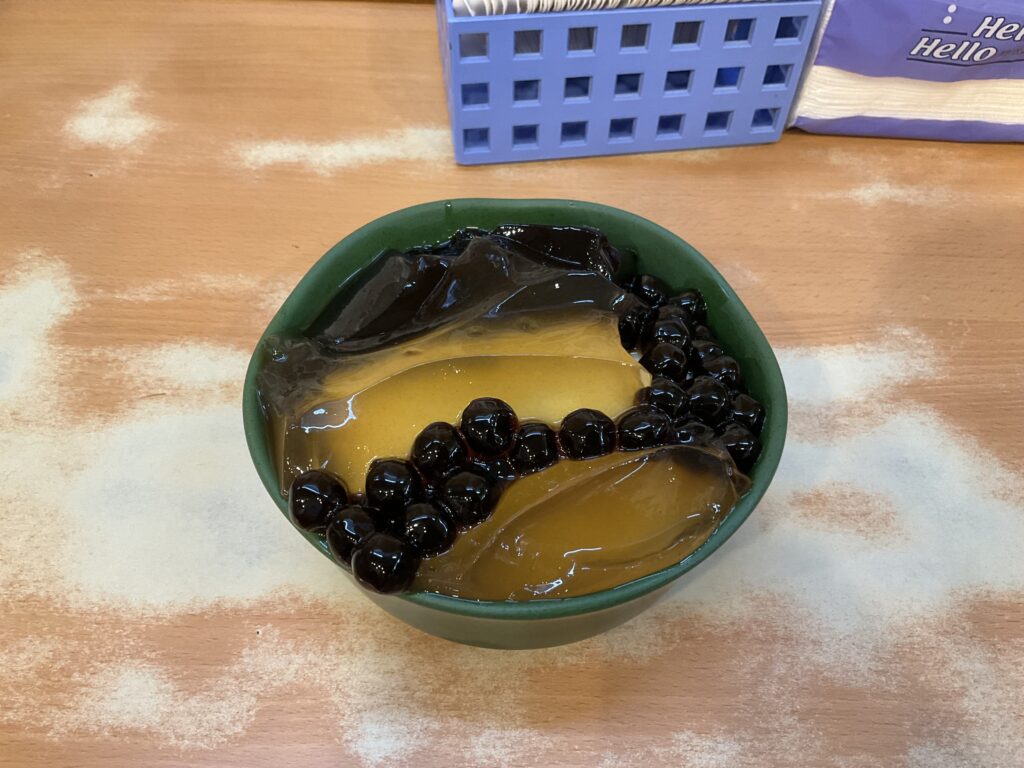
These bowl sweets consisted of ai yu jelly and xian cao jelly, topped with douhua and tapioca, and drizzled with honey. It seemed to be healthy. It was served at Ai Yu Zhi Meng You Xian Cao Ai Yu Jelly & Grass Jelly, where teenage girls seem to be the favorite customers.

McDonald’s was also one of Taiwan’s popular restaurants. Visitors were to place their orders at the large touchscreen instead of going to a cashier and being asked for their order by the clerk. I ordered a Big Mac combo for dinner. The Big Mac tasted almost the same as what I ate in Japan. Coke and an apple pie tasted a bit different. An Egg Mac Muffin was a bit softer.
While walking around Taiwan, I noticed an important fact: Taiwan is a small island, but it is mountainous, with many ups and downs. It is tough to invade and occupy such a place from the outside because the islanders can easily hide from invaders, making them hard to target. Even if an elite army attacked in large numbers, they could hold out for several months. Chiang Kai-shek was right to flee to this island in 1949 after the defeat in the Sino-Chinese Civil War, as the Chinese Communist army had not been able to attack the island until now.
Leave a Reply