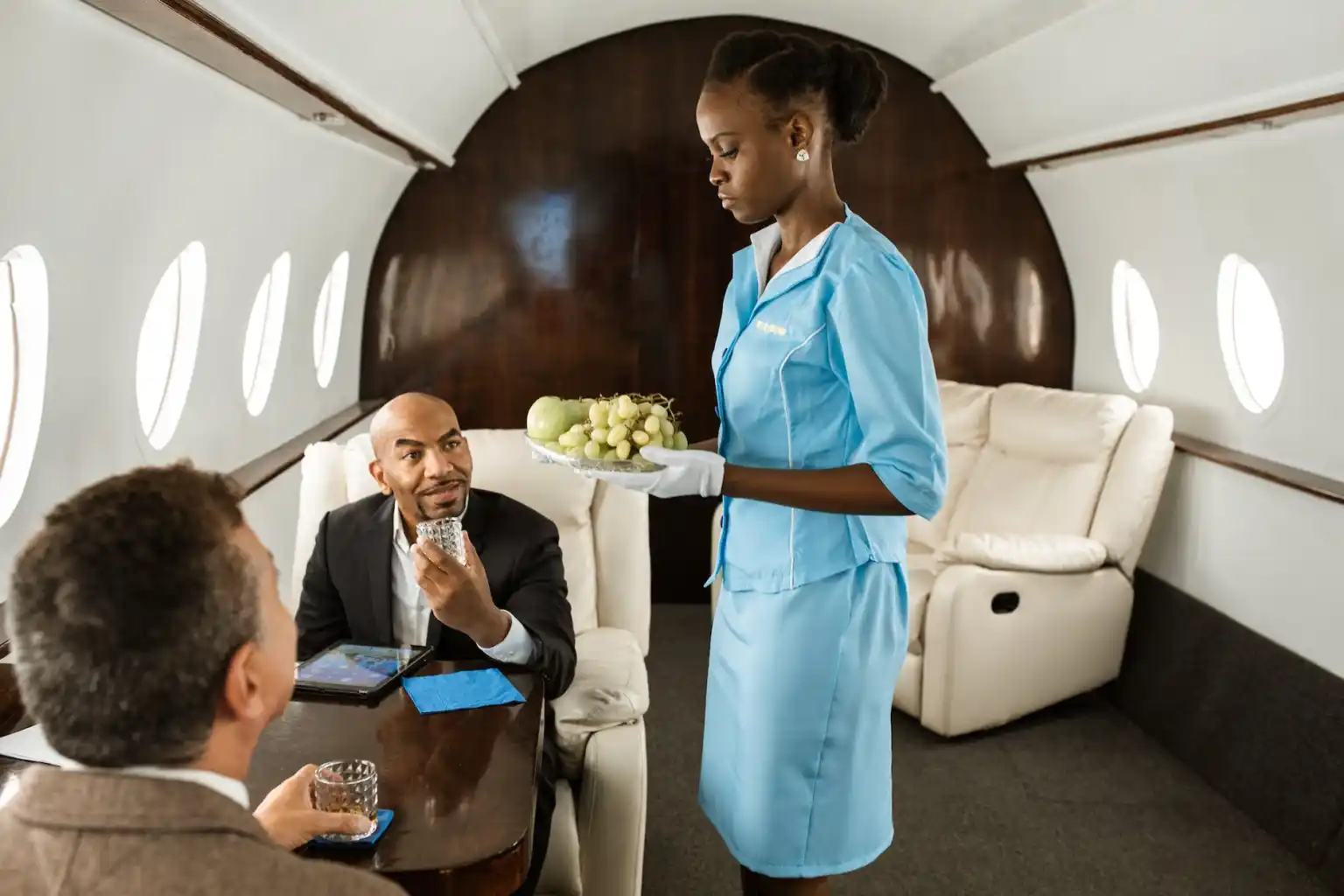
I have long been fond of airline flight attendants not only because of their charming appearance and graceful behavior on board but also because of their professionalism as security personnel who protect the cabin and passengers during emergencies. Their dignified appearance, backed up by their readiness to risk their lives to fulfill their duties in times of emergency, fascinates me.
Aspiring candidates must undergo months of rigorous training after joining an airline to become a flight attendant. During each part of the training, which includes training in emergency behavior, they must take several tests to ensure that they have mastered the skills required in each course and pass all of them. Even after becoming a flight attendant, they must undergo recurrent training, including emergency training, once a year to maintain their skills. They are suspended from flight service for a certain period if they fail.
Flight attendants, who have overcome such difficulties, are different from the average waitpersons who solely serve food and drinks in a restaurant, and they fascinate us with unparalleled professionalism. They demonstrated their professionalism to the fullest when the Japan Airlines Flight 516 was involved in an accident on January 2. When the Airbus A350 aircraft went up in flames after colliding with a Japan Coast Guard Dash-8 aircraft on the runway at Tokyo’s Haneda Airport, 12 JAL crew members calmly calmed the 367 panicked passengers as they saw the burning exterior and smoke entering the cabin, assessed where the doors safest to evacuate were, opened the doors and developed the emergency escape chutes according to the predetermined procedure, gave precise instructions to the passengers on how to escape, and helped all of them make it out alive. The crew evacuated after checking inside the burning cabin, ensuring that none of the passengers were left behind. Their selfless airmanship was impeccable.
The fact that all of the JAL passengers and crew survived the accident was due not only to the flight crew’s professionalism. The passengers’ high level of discipline also helped this miracle. None of the passengers acted selfishly, ignoring the cabin attendant’s instructions. They gave up their carry-on baggage, which included toiletries, car and house keys, laptops, tablets, expensive cameras, and New Year’s otoshidama from relatives. Although it must have been a wrenching pain for them, it was unavoidable for the safety of all passengers.
Air travel is a privilege allowed only to those who can share responsibility for safety with crew members and passengers with high ethical awareness. As passengers on board an aircraft, you may want to remember to respect the flight attendants in charge of security and help them facilitate their duties. You may want to check your baggage as much as possible to minimize carry-on baggage to conserve overhead bin space. If you have carry-on items that are small enough to put under the front seat, you may want to do that rather than put them in the overhead bin to give up space for more oversized baggage. If you have large and heavy baggage, you may want to put it in the overhead bin yourself rather than make a cabin attendant do so.
When sitting, you should permanently fasten the seat belt and turn off or set all your electronic devices to airplane mode. Keep your shoes on and stay awake when taking off and landing to be ready to take action quickly should any emergency occur. It would be desirable to wear pants with pockets to keep valuables inside in case of evacuating without having any bags. In colder months, wearing a coat is a good idea to increase the room for putting things inside.
When a cabin attendant serves or lowers your in-flight meal or drink, it is a good idea to say “thank you” to her, looking her in the eye and smiling. The thank-you word will boost her morale. If you have to ask a question or even make a complaint, you should do so in a gentlemanly and calm fashion. When disembarking after landing, saying “thank you” with the utmost gratitude to the cabin crew who stand and see you off is desirable. Especially if you are getting off a delayed flight that forces them to work late at night, the word of thanks to them will be most comforting. They are busy from start to finish. You may want to be considerate to them, though it’s true for everyone, and to help them fulfill their duties. You should strictly refrain from stopping a busy cabin attendant and forcing her to write your logbooks.
Again, the flight attendant is the security personnel responsible for the safety of the passengers. Whosoever annoys her, whosoever looks down on her, whosoever looks on her to lust after her, whosoever yells at her, whosoever touches her body or otherwise molests her is not fit to be on an airplane and should immediately get off board and use transportation appropriate to status.
An airplane cabin is a solemn salon reserved solely for humble and modest passengers. Only those ladies and gentlemen deserve the smiles of the “angels on board.” Passengers’ continuous awareness is required to keep their smiles.
Leave a Reply